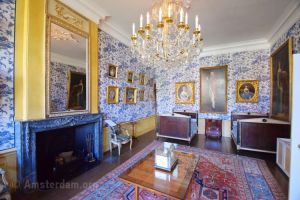
Free walking routes along the canals
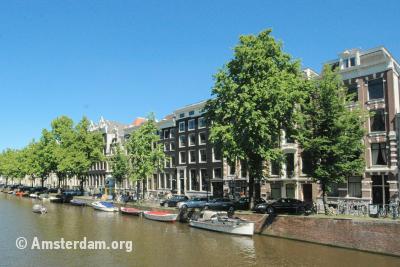
We have mapped out three routes past the finest open-air sights along the canals of Amsterdam, arranged by the century in which each area took shape.
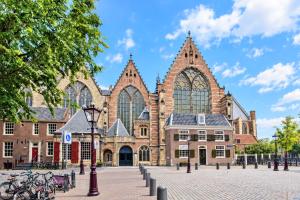
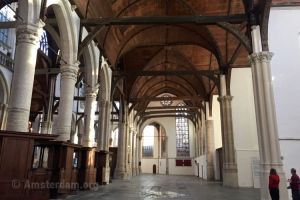
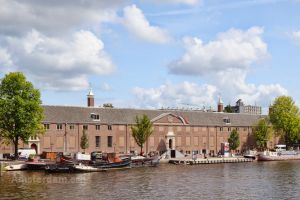
- Old centre route (1275 to 1600): through the medieval heart of the city, past the oldest church, the oldest warehouse and the narrowest house in Europe. Around 3 km, allow two hours.
- Western canal ring route (1600 to 1660):
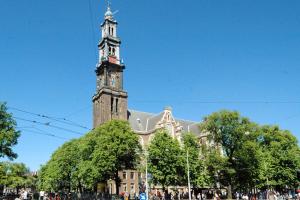
- Southern canal ring route (1660 to 1700):
- Combine them: the three routes join up geographically, so you can also make one long day's walk of it. Together they come to around 8 kilometres.
- More detail as you go: each route sets out what you see at which house number, with a map you can follow on your phone.

Walking routes that follow one story
Three routes that trace not the architecture but the life of a single person, from their first address to their final resting place.
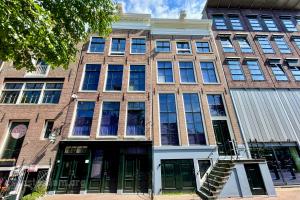
- Anne Frank route:
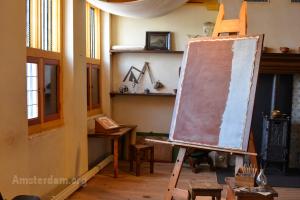
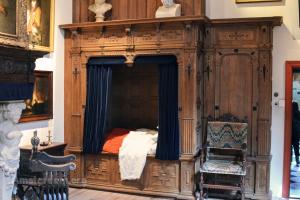
- Rembrandt van Rijn route:
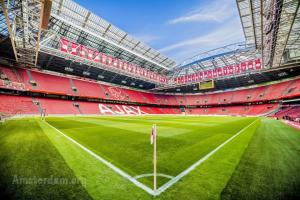
- Johan Cruyff route:
- Take a bike: the themed routes cross several districts and include long stretches without stops. A hire bike gets you round in a third of the time.
- Plan around your tickets: the Anne Frank and Rembrandt routes both include museums that require a pre-booked timed slot. Fit the walk around those.
The Jordaan and the Nine Streets
The city's best-known walking district, with narrow streets in which half a day disappears easily.
- A working-class quarter with character: the Jordaan was built in the seventeenth century for labourers and craftsmen. Its streets are narrower and its houses plainer than in the canal ring next door.
- Hidden courtyards: behind unremarkable doors lie dozens of quiet inner gardens. They are often open to all, but people live there, so keep your voice down.
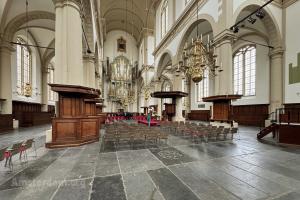
- The Westerkerk:
- The Nine Streets: the Nine Streets connect the canals to one another and are packed with small shops, cafés and vintage stores.
- On Mondays and Saturdays: there is a market on the Noordermarkt, selling bric-a-brac and organic produce respectively. See our page on the city's markets.