Beyond Amsterdam lies a Holland of windmills, dykes, cheese markets and picturesque fishing villages, nearly all of it within an hour of the capital.
Why you should leave the city
Amsterdam is compact, and that is exactly why even a short stay leaves you a day to spare for the countryside.
Everything close at hand: most of the destinations on this page lie 20 to 60 minutes from Amsterdam, so you are back in the city for dinner without any trouble.
The real Dutch landscape: windmills, dykes, green pastures and waterways begin quite literally at the edge of the city, an entirely different backdrop from the canal ring.
For every kind of day trip: stroll through a fishing village, sail the rivers, cycle along the dunes or spend a day at a theme park, the choice is enormous.
Easy to arrange: almost every destination is reachable by public transport, and organised excursions run from the centre to the best-known spots.
Volendam and Marken
On the IJsselmeer lie two villages that keep the image of old Holland alive like nowhere else.
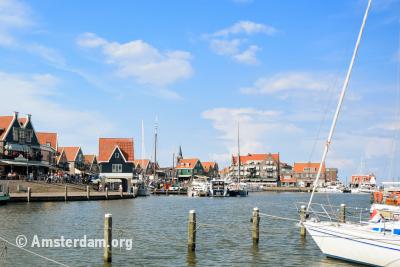
Fishing villages on the former Zuiderzee:Volendam and Marken have withstood the passage of centuries, with their distinctive wooden houses, winding waterways and drawbridges.
A harbour transformed: Volendam was once a prosperous fishing village, but after the Zuiderzee was closed off by the Afsluitdijk in 1932 the boats could no longer reach the open sea. The village then reinvented itself as a living open-air museum.
A photograph in traditional dress: at the photo studios along the dyke you can have your picture taken in traditional Volendam costume, a classic souvenir that has been going for generations.
Marken across the causeway: the former island of Marken has been connected to the mainland by a causeway since 1957, yet remains strikingly authentic. In summer a ferry runs between Volendam and Marken, a far nicer option than the bus.
Straight from the smokehouse: in the harbour, try a smoked eel or a fresh herring, still very much a local speciality.
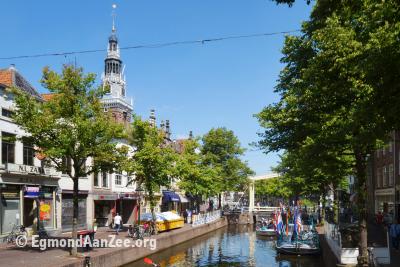
Alkmaar, the cheese city
This historic city in North Holland owes its worldwide fame to a centuries-old ritual involving cheeses and carrying barrows.
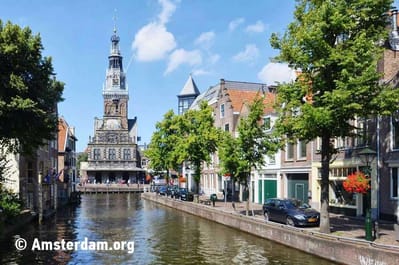
An enchanting centre:Alkmaar was founded in the year 939 and has a historic core full of canals, merchant houses and listed façades.
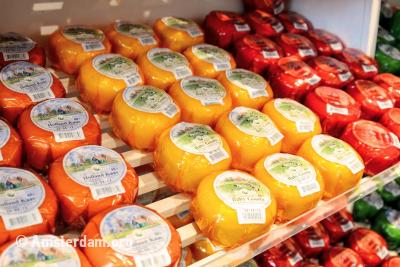
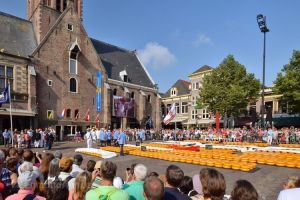
The famous cheese market: from late March into September you can watch the traditional weighing and bidding on the Waagplein, with cheese carriers in white suits and coloured straw hats.
Come early: the cheese market takes place on Friday mornings and draws large crowds, so arrive in good time if you want a spot at the front.
More than cheese alone: Alkmaar is worth a visit outside the market season too, with an atmospheric old town, plenty of terraces and the option of travelling on to the North Holland coast.
Giethoorn, a village without roads
In the province of Overijssel lies a village where the traffic runs over water rather than tarmac.
The little Venice of the Netherlands:Giethoorn owes that nickname to its many waterways and the absence of through roads and cars in the old centre.
A fairytale setting: small canals, picturesque wooden bridges and farmhouses with centuries-old thatched roofs turn any walk here into a picture.
Get out on the water: the finest way to see the village is from the water. Hire a whisper boat and sail the canals yourself, or take a guided tour.
Weerribben-Wieden National Park: Giethoorn borders the largest lowland peat marsh in north-western Europe, a unique landscape of reed beds, lakes and rare birds.
Allow for travel time: Giethoorn is around an hour and a half by car from Amsterdam, making it a full day out. Come early or late in the day to avoid the crowds.
Edam
The little town that gave its name to one of the world's best-known cheeses lies a stone's throw from Volendam.
The first round cheeses: hundreds of years ago Edam supplied the world with its distinctive spherical cheeses, sealed in red wax for export by sea.
Cheese market in high season: in July and August traditional cheese markets are held weekly, where deals are still sealed the old-fashioned way with a handclap.
Rich in history: listed buildings, atmospheric squares, shopping streets and welcoming terraces make the town well worth a visit even without the market.
Combine cleverly: Edam is within cycling distance of Volendam, so you can easily take in both in a single day.
Haarlem
The capital of North Holland is older than Amsterdam and barely a quarter of an hour away by train.
Older than Amsterdam:Haarlem was granted city rights back in 1245 and flourished quickly thanks to its favourable position. Little has changed in the historic streetscape since.
Hidden hofjes: the city has dozens of almshouses and hofjes, green courtyards behind unremarkable doors that you will only find if you know where to look.
Museums of real standing: Haarlem is home to some of the finest museums in the Netherlands, including the country's oldest museum and a world-class collection of Old Masters.
Shopping without the crush: brand stores, boutiques and antique shops make Haarlem a pleasant alternative to the crowded shopping in Amsterdam.
On to the beach: from Haarlem you can be at the sea at Zandvoort or Bloemendaal within twenty minutes, an ideal way to round off your day trip.
The Zaan region
Just north of Amsterdam stands the best-known row of windmills in the Netherlands, in a village where people genuinely live.
A museum village with residents: the Zaanse Schans is a picturesque hamlet on the river Zaan, assembled from relocated historic buildings, with one difference from an ordinary museum: real people live here.
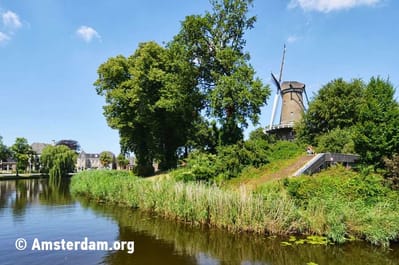
Mills still turning: on the horizon stand the characteristic windmills of the seventeenth and eighteenth centuries, several of which can be visited. The region was known for mills producing paint, flour and worked timber, and you can still buy mustard ground in one of the local mills.
Craftsmanship up close: visit the clog workshop, the cheese dairy and the pewter foundry to see how these products are traditionally made.
From the water: boat trips on the Zaan give a completely different view of the village and of the industrial heritage along its banks.
Nearby: the Czar Peter House in Zaandam and the windmill museum in Koog aan de Zaan are also worth your time. From Amsterdam Centraal you are there in a little under half an hour by train.
Muiden and the Muiderslot
East of the city, at the mouth of the river Vecht, stands the best-preserved medieval castle in the Netherlands.
A castle from 1285: the Muiderslot is the town's most popular attraction, with rooms furnished in seventeenth-century style and an atmospheric castle garden.
The Muiden Circle: the poet and historian P.C. Hooft lived here, gathering artists and scholars around him. A guided tour brings that literary past to life.
Line of defence: Muiden formed part of the Defence Line of Amsterdam, a ring of forts around the capital that is on the UNESCO World Heritage list. Gun towers and fortifications are still scattered across the area.
The island of Pampus: the best-known fort of the line sits in the IJsselmeer and is reachable by ferry from Muiden during the sailing season.
Naarden
The oldest town in the Gooi region is recognisable from above by its perfectly preserved star-shaped fortifications.
A fortress in the shape of a star:Naarden-Vesting is one of the best-preserved fortified towns in Europe, with double moats and bastions that form a perfect star when seen from the air.
The Dutch Fortress Museum: in the underground passages of one of the bastions you can discover the town's turbulent military history, complete with demonstrations of historic artillery.
The Grote Kerk: this church is famed for its painted vaults and for the annual performance of the St Matthew Passion, a tradition dating back to 1922. Climb the tower and you are rewarded with a sweeping view.
Browsing and nature: Naarden is a fine town for antiques and homeware, and the nearby Naardermeer is the oldest nature reserve in the Netherlands.
The historic city of Delft
A little further south, close to The Hague, lies the city of blue pottery and of Vermeer.
Canals and gables:Delft came into being around 1100 and owed its wealth to cloth weaving and the trade that came with it. The result is a centre full of narrow canals and picturesque houses.
Delftware: the city is known worldwide for its unmistakable blue-and-white pottery. At the last historic factory you can watch it being painted by hand.
Vermeer's city: the painter Johannes Vermeer was born here and captured the famous view of Delft. You can follow his traces at various points around the city.
Royal tombs: the Nieuwe Kerk on the market square holds the burial vault of the House of Orange-Nassau, with the ornate tomb of William of Orange.
Efteling theme park
The largest theme park in the Netherlands is an outing in its own right, and a real winner with children.
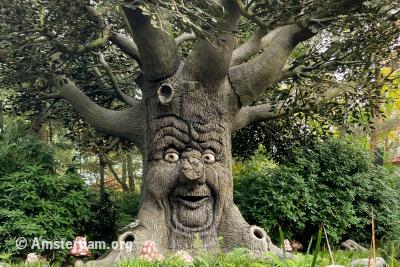
Built on fairytales: the Efteling opened in 1952 with its Fairytale Forest and grew into one of the oldest and best-loved theme parks in the world.
Open all year: in winter the park becomes the Winter Efteling, with lantern-lit paths, ice rinks and hot chocolate.
Plan your journey: the Efteling is in North Brabant, roughly an hour and a half by car from Amsterdam. Book your tickets online in advance and arrive at opening time to beat the queues.
Cheese market Alkmaar
Discover one of the most traditional and colourful events in the Netherlands at the Cheese Market in Alkmaar. This historic spectacle attracts hundreds of thousands of visitors from around the world annually and offers a unique glimpse into the rich cheese culture of the Netherlands. What can you expect at the Cheese ...
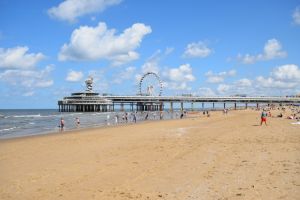
The Pier of Scheveningen is the iconic landmark of The Hague coastline. Situated on the boulevard, directly in front of the historic Kurhaus, the Pier appears on almost every postcard of Scheveningen. The characteristic structure is open daily throughout the year and can be visited free of charge from 10:00. What can you ...
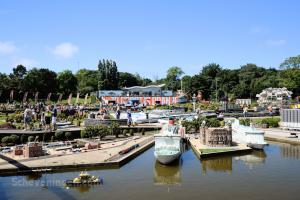
Experience the Netherlands in miniature at Madurodam, located in The Hague. This unique miniature city offers a playful and educational look at all the distinctive aspects of the Netherlands. What can you expect at Madurodam? - Miniature Versions of Dutch Icons: Admire detailed miniature versions of famous Dutch buildings ...
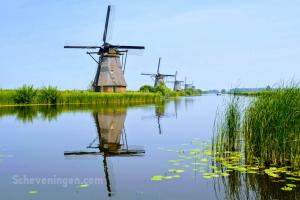
Discover an essential piece of Dutch history at the mills in Kinderdijk, a UNESCO World Heritage site known for its unique collection of working windmills. What to Expect at the Kinderdijk Windmills? - Impressive Mill Complex: Kinderdijk is home to 19 beautifully preserved windmills, built around 1740 as part of a larger ...
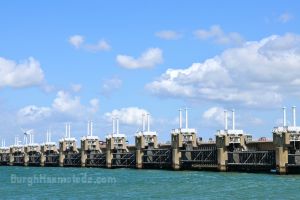
The Oosterschelde storm surge barrier is the icon of the Dutch battle against the water and a masterpiece within the world-famous Delta Works. Not just a dam - Created after the North Sea Flood (1953): Decision to build a storm surge barrier nearly 9 km long with enormous gates. - Not just a dam: Originally planned as a ...
A few things are handy to know before you plan a day trip outside Amsterdam.
By train: Haarlem, Zaandam, Alkmaar and Delft are all served directly from Amsterdam Centraal, usually in 15 to 45 minutes. For fares and tips, see our page on public transport.
By bus: Volendam, Marken and Edam are reached by bus from Amsterdam Centraal station in around half an hour.
By bike: the Netherlands is a cycling country par excellence, and many of these destinations are well connected via the cycle node network, particularly Zaanse Schans, Edam and Muiden.
On an organised tour: for destinations such as Giethoorn and the Zaanse Schans there are day excursions with transport and a guide from the centre, saving you a good deal of planning.
Flowers in spring: if you are visiting the Netherlands between mid-March and mid-May, do set aside a day among the bulb fields, when the landscape between Haarlem and Leiden is in full bloom.



 Buy tickets in advance now