Amsterdam has a reputation as an expensive city, but with a little preparation a weekend here stays perfectly affordable.
Combination ticket discounts
If you are visiting several attractions or museums, a combined ticket is almost always cheaper than separate ones.
Two for the price of less: with combination tickets you pay less for two bundled attractions than for two individual tickets, with discounts that can run to over forty per cent.
A time saver too: most combination tickets include fast-track entry, letting you skip the queue at the door. At the busiest sights that can easily save you an hour.
Do the sums first: check that you will genuinely use both halves, because a combined ticket only pays off if you make full use of it. See the full overview of combination tickets.
Book ahead and skip the queues
At the most popular sights you simply cannot get in without a reservation any more.
Timed slots are compulsory: the Anne Frank House can only be visited with a slot booked online, and these are often sold out weeks in advance.
Online costs less: at almost every attraction you pay more at the door than online, and at some there is no on-site ticket sale at all.
Come early or late: the first two hours after opening and the last hour before closing are the quietest in the major museums.
Beware of resellers: buy only through official channels or recognised partners, as invalid tickets are regularly sold in the street and on unfamiliar websites.
Public transport: discounts and day passes
Staying in Amsterdam for a day or more? A day or multi-day pass usually works out cheaper than individual journeys.
GVB day passes: available for 1 to 7 days, with unlimited use of all GVB trams, buses, metros and ferries in Amsterdam. The longer the validity, the lower the cost per day.
I Amsterdam City Card: available for 24, 48, 72 or 96 hours. Besides unlimited travel with GVB it gives free entry to many leading museums and attractions, plus a free canal cruise.
Amsterdam Travel Ticket: available for 1, 2 or 3 days, with unlimited travel on GVB plus a second-class return between Schiphol and any railway station in Amsterdam.
Or simply go contactless: if you only make a few journeys, tapping in and out with your bank card via OVpay is often cheaper than a day pass. Work out how many journeys make a pass worthwhile.
Food is where you can save considerably in Amsterdam, without eating any worse for it.
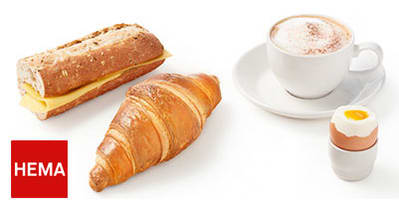
Breakfast at HEMA: in the restaurant of the HEMA department store you can have breakfast from around 3 euros, with a croissant and a hot drink. For about 5 euros you get a roll and a boiled egg with it. By comparison, most hotels charge at least 10 to 20 euros a head.
Where to find it: the nearest branch with a restaurant is at Nieuwendijk 174-176, a few minutes' walk from Centraal Station. The restaurant is upstairs and breakfast is served until 10:00 or 11:00.
Book without breakfast: reserve your hotel room without breakfast and eat out instead, and you will easily save ten euros or more per person per day.
Eat like a local: a herring roll from a stall, a cone of chips, a Surinamese sandwich or an Indonesian rice table are cheaper and often better than the tourist restaurants around Dam Square.
Tap water is free: Dutch tap water is of excellent quality, so refill your bottle rather than buying more.
Enjoying the city for free
Much of what is finest in Amsterdam costs nothing at all.
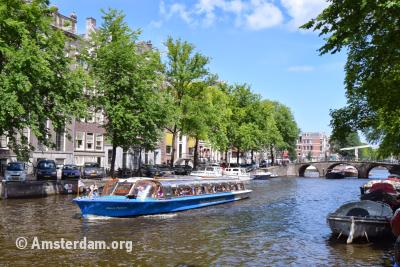
The canals are free: a walk through the canal ring, a World Heritage site since 2010, is the loveliest way to get to know the city and costs not a penny.
Parks and markets: the Vondelpark, the city's other parks and its markets are all freely accessible and give you an immediate feel for everyday life here.
A view without a ticket: the roof terrace at NEMO and the public library beside Centraal Station both offer superb views across the city at no charge.
When you come and where you sleep determine much of what you will spend.
Avoid high season: hotels are at their most expensive in July and August and around public holidays. Out of season you may pay half as much for the same room.
Sleep just outside the centre: in districts such as Noord, Oost or West you pay considerably less, while tram, metro or ferry puts you in the centre within a quarter of an hour.
Check the last minutes: if you can be flexible, there are regularly sharp deals among the last minute offers.
Walk or cycle: the centre is compact enough to cover almost entirely on foot or by bike, saving you a few euros in fares every day.
Practical matters: money, safety and health
Finally, a few things you really should know before you arrive.
Card payment is the norm: many shops, cafés and markets no longer accept cash. Bring a contactless bank card.
Tipping is optional: service is included in the price in the Netherlands. If you are happy, five to ten per cent or rounding up is more than enough.
Bring a raincoat: the weather changes quickly here and an umbrella is little use in the wind. A rain jacket works better. Check the weather forecast before you travel.