
Diamond tours
The city's best-known diamond houses are glad to show visitors what goes on behind the scenes.
- Free and without an appointment: most tours are free and generally run between 09.00 and 17.00. Booking is usually unnecessary, though in high season it is wise to check ahead.
- The craft up close: you see with your own eyes how a rough stone is cleaved, cut and polished, and get an explanation of the four Cs by which a diamond is judged: carat, cut, colour and clarity.
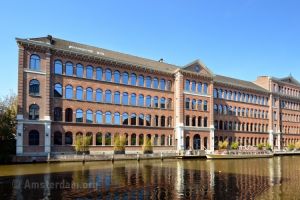
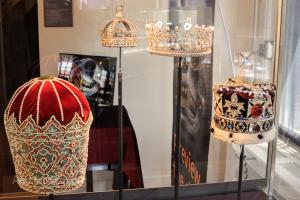
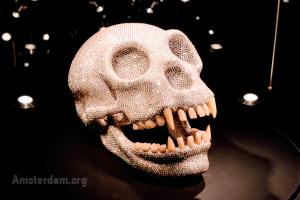
- Diamond Museum: on the Paulus Potterstraat by the Museumplein, where you discover the history of the diamond, with replicas of famous stones and explanations of the craft.
Buying diamonds in Amsterdam
Anyone hoping to take a purchase home would do well to read up a little first.
- Keenly priced, not dirt cheap: diamonds are not necessarily cheaper in Amsterdam than elsewhere, but prices are reasonably keen because you buy directly from the cutting house, with no middleman.
- Know what you are buying: a purchase comes with a full description or certificate stating weight, cut, colour and clarity. Always ask for that document and keep it somewhere safe.
- The four Cs: carat (weight), cut, colour and clarity together determine the value. The quality of the cut above all decides how much a stone actually sparkles.
- Tax-free shopping: if you live outside the European Union, you can often reclaim the VAT on your purchase. Ask in the shop for the necessary forms before you pay.
Jewellers
Beyond the cutting houses, Amsterdam has a lively jewellery tradition, from international names to small workshops.
- The big names: in the smart P.C. Hooftstraat and around Leidseplein you will find international houses such as Cartier, with their familiar collections.
- Local craftsmanship: just as interesting are the smaller jewellers, offering genuine gemstones often worked on the premises by a local craftsman.
- Antique and vintage: the Spiegelkwartier by the Rijksmuseum is where the antiques trade is concentrated, including dealers specialising in antique jewellery and historic cuts.
Walking route through diamond city Amsterdam
This route of about 5 kilometres follows the diamond story from the old polishing factories to today's jewellers; by bike it takes about half an hour.
- Burcht van Berlage: the monumental 1900 building of the General Dutch Diamond Workers' Union, designed by H.P. Berlage.
- Spiegelkwartier: antique dealers and jewellers with antique jewellery, close to the Rijksmuseum.
- P.C. Hooftstraat: finish in Amsterdam's most exclusive shopping street, home to the big international jewellers.